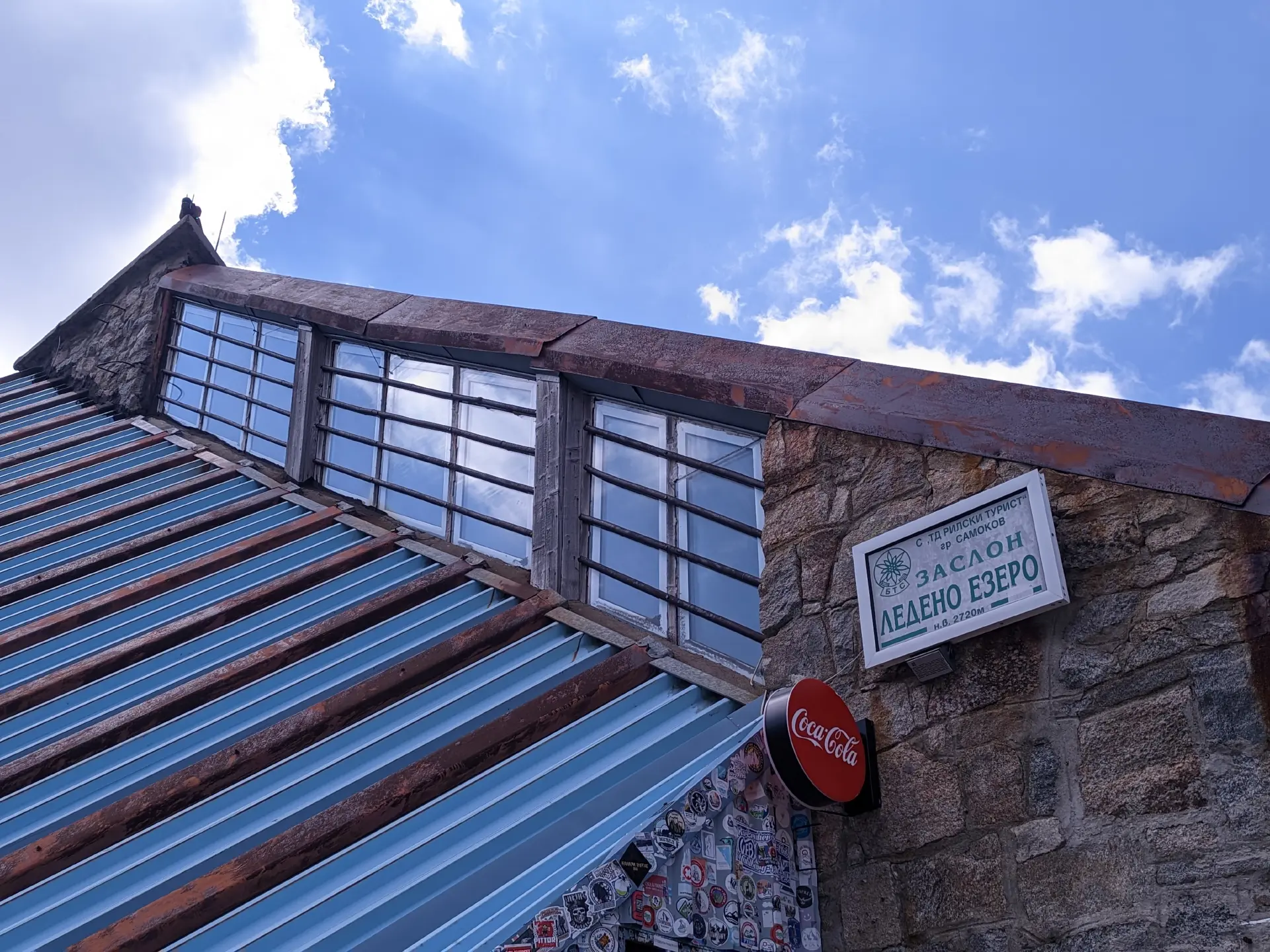
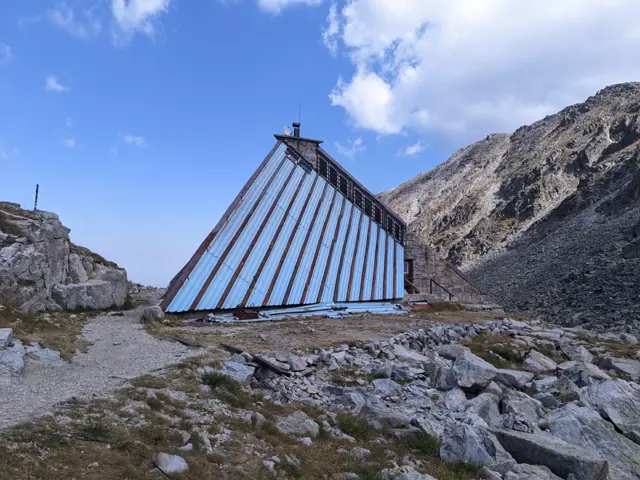
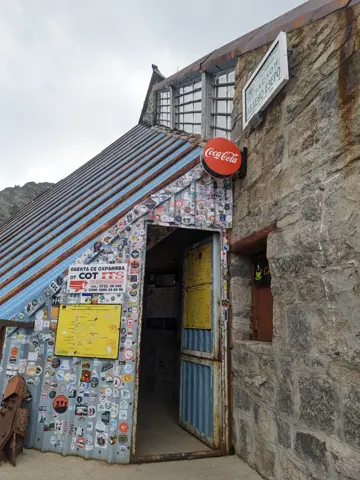
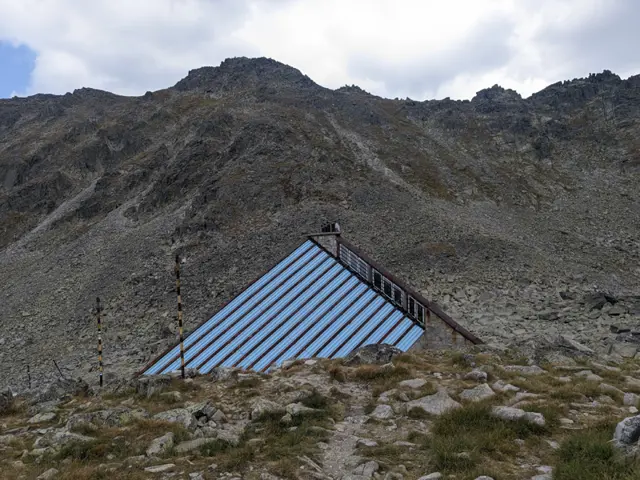
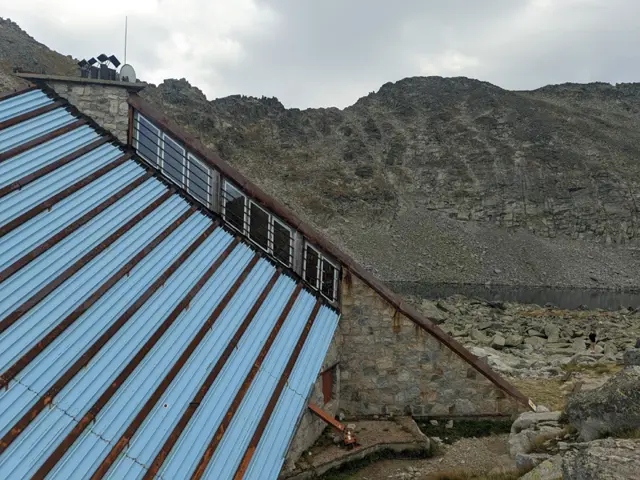
Ledeno Ezero Shelter
Ledeno Ezero Shelter is located on the northern shore of the Glacial Lake. Surrounded by the peaks Musala, Malka Musala, and Irechek, it is the final stop on the classic route for climbing Musala Peak from Yastrebets and Musala Hut. It features a dining room where food and drinks are available.
Amenities
Trails
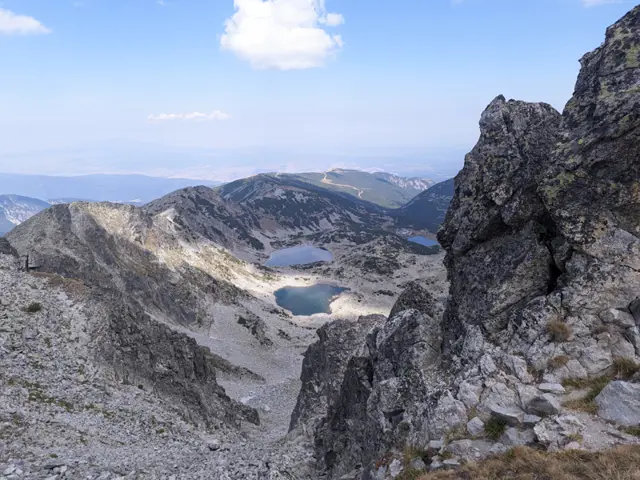 Moderate
Nearby Places
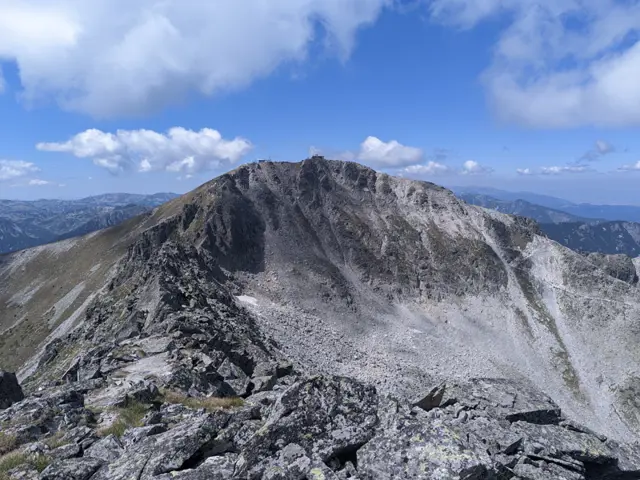
Musala Peak
2925 mMusala is the highest peak in Rila and the entire Balkan Peninsula. In the summer, it is easily accessible via a marked trail with no technical difficulties, starting from the upper station of the "Yastrebets" gondola lift. Its accessibility makes it a top selfie destination, so there are summer weekends when the peak becomes surprisingly difficult to reach.
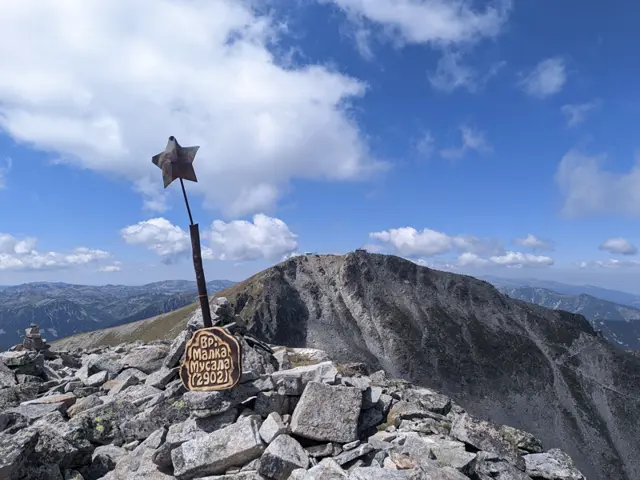
Malka Musala Peak
2902 m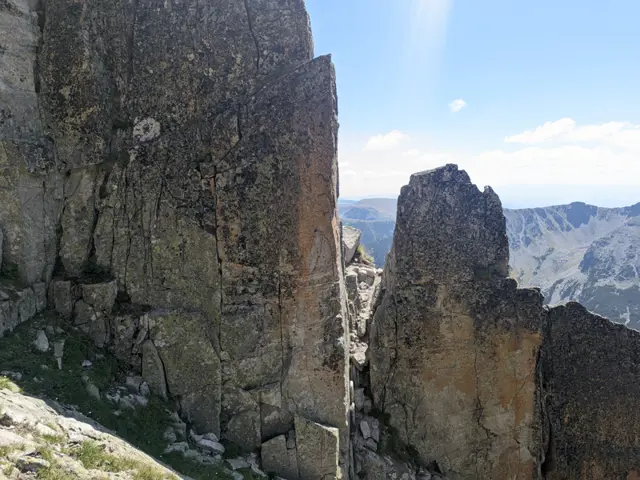
Trionite
2880 mTrionite (The Saws) is a highly jagged rocky ridge that connects Musala Peak with the second-highest peak in the Rila Mountains, Malka Musala. Trionite, along with the northern slope of Malka Musala, are considered the most difficult sections of the classic Musala Traverse.
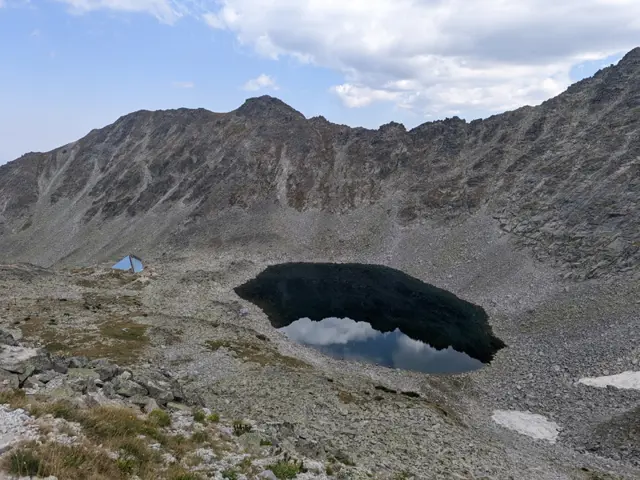
Ledenoto Lake (The Ice Lake) is the first (from top to bottom) of the Musala Lakes group, as well as the highest glacial lake on the Balkan Peninsula. It is located about 300–350 meters northeast below Musala Peak. The lake gets its name because it retains its ice cover longer than any other lake in the group, and even after the ice melts completely, the water remains ice-cold. In the scree slopes high above its shore, patches of snow linger throughout the summer. Ledenoto Ezero Shelter is built near its shore.
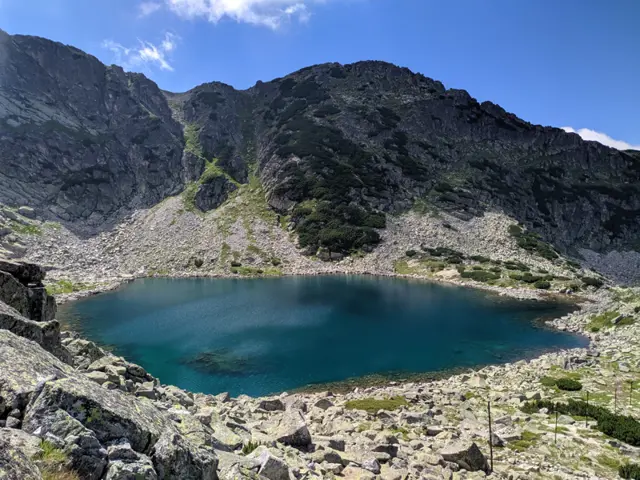
Alekovo Lake
2544 mAlekovo Lake is the third (from top to bottom) of the Musala Lakes group. It is located at the foot of Aleko Peak, and the summer trail from Musala Hut to Musala Peak passes along its shore. Its color varies from dark blue in cloudy weather to turquoise when lit by the sun.
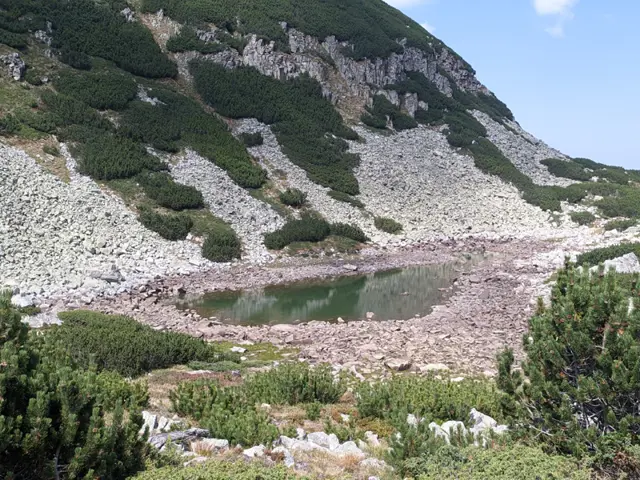
Ferdinandovo Lake
2486 mThis is the fourth Musala Lake. In the summer, its water surface area shrinks significantly, but its actual size can be seen from the dark stones from the lakebed, which remain dry on the shore and stand out against the much lighter surrounding rocks.